



Recently, some social media sites have been discussing the detoxification effects of bamboo leaves, especially against COVID-19 vaccines. However, how should we properly understand this use?
1. Uses of thorny bamboo leaves
The leaves of the spiny bamboo plant are a relatively common ingredient in traditional Chinese medicine. According to traditional Chinese medicine, spiny bamboo leaves, known as "bamboo leaf," are sweet in taste, cool in nature, and act on the heart, lungs, and stomach meridians. They are used to clear heat, detoxify, promote urination, reduce inflammation, relieve cough, loosen phlegm, cleanse the lungs, and calm the nerves.
Many modern studies have also shown that the leaves of the thorny bamboo plant contain numerous bioactive compounds, including flavonoids such as orientin and vitexin, which have strong antioxidant effects and help protect nerve and cardiovascular cells.
Bamboo leaves are also one of the richest plant sources of silicon, a substance extremely important for collagen synthesis, regeneration of connective tissue, bones, hair, and nails. In addition, bamboo leaves contain soluble polysaccharides that can inhibit the growth of pathogenic bacteria and stimulate the immune system.
Chlorophyll and choline found in prickly bamboo leaves also help purify the blood, reduce inflammation, and support liver function; phenolic acids help neutralize free radicals and reduce oxidative stress in the body. Thanks to these bioactive compounds, prickly bamboo leaves have been proven to have many health benefits such as:
- Anti-inflammatory and fever-reducing properties.
- Antioxidant and cell-protective properties.
- Supports digestion.
- Lowers blood sugar and reduces cholesterol.
- Antibacterial, immune booster.
- Rich in bioavailable silica, it supports collagen synthesis in the body.
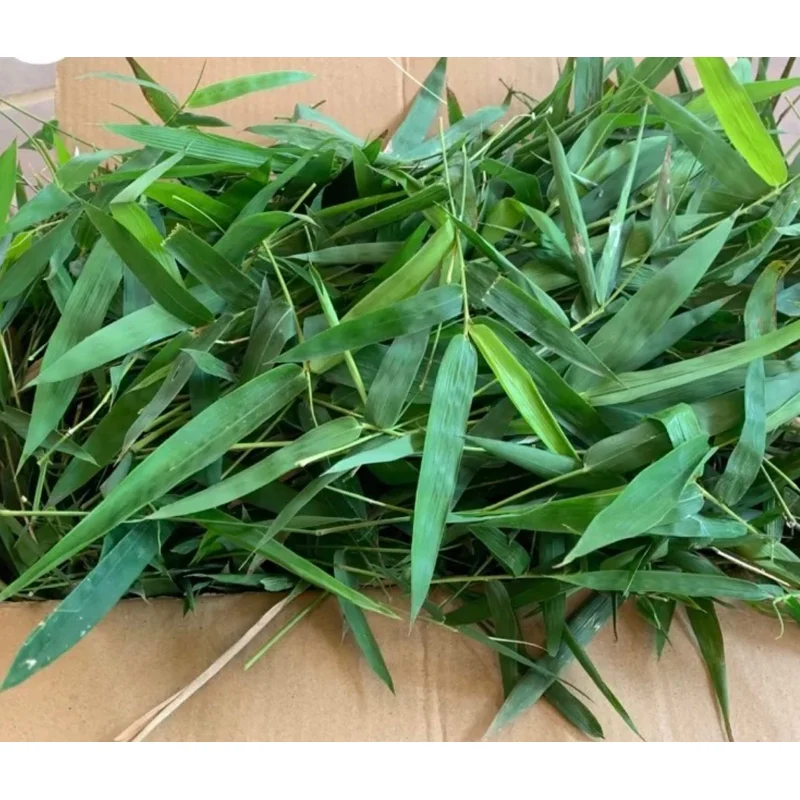
The leaves of the thorny bamboo plant have the effect of clearing heat, detoxifying, promoting urination, and reducing inflammation...
2. Detoxifying properties of thorny bamboo leaves
In ancient Chinese medicine texts, thorny bamboo leaves (or bamboo leaves) are mentioned for their "detoxifying" properties. However, this detoxifying effect is not understood as a chemical antagonist to destroy toxins, but rather through a mechanism of clearing heat, promoting diuresis, and expelling toxins.
In Traditional Chinese Medicine, "toxin" is often associated with "heat," known as heat-toxin. When the body is excessively invaded by pathogenic factors, this leads to stagnation and the accumulation of heat, which then becomes toxic. External manifestations often include high fever, anxiety, mouth and tongue ulcers, boils, and painful urination with reddish urine. The thorny bamboo leaf "detoxifies" through three main pathways:
Clearing heat and reducing inflammation: The leaves of the thorny bamboo can help dispel evil spirits, clear heat, and eliminate inflammation. When the heat is pushed back, swelling, pain, and accumulated heat toxins will dissipate.
Diuretic and detoxifying through excretion: The leaves of the thorny bamboo help to move heat toxins from the heart and small intestine down to the bladder for elimination through urine, helping to detoxify without harming the body's vital energy.
Detoxifying and antibacterial/anti-inflammatory effects: Modern scientific studies have proven that thorny bamboo leaves can inhibit pus-causing bacteria, thereby helping to treat sores, swollen and painful throats, etc.
This detoxifying effect of bamboo leaves is consistent with the anti-inflammatory, antipyretic, diuretic, antioxidant, cell-protective, antibacterial, and liver-protective mechanisms that have been proven by studies.
3. Do prickly bamboo leaves really 'detoxify vaccines'?
Regarding the use of prickly bamboo leaves for detoxification after vaccination or viral infection, it needs to be considered objectively from both a scientific and traditional medicine perspective. Currently, there are no official clinical studies confirming that a decoction of prickly bamboo leaves can directly remove vaccine components from the body or "detoxify the vaccine."
However, if "detoxification" is understood as the process of alleviating side effects such as inflammation, fever, fatigue, etc., then the leaves of the prickly bamboo plant have this effect through several indirect mechanisms: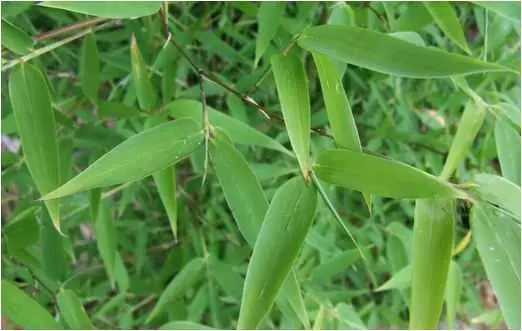
Antipyretic and anti-inflammatory properties: Vaccines work by stimulating the immune system, often causing a mild inflammatory response leading to fever and body aches. Bamboo leaves contain flavonoids and triterpenoids that have been shown to have antipyretic, anti-inflammatory, and mild analgesic effects. Drinking bamboo leaf tea helps to cool the body, thereby alleviating uncomfortable symptoms after vaccination.
Supports excretory function: Bamboo leaves have diuretic effects. Increased urine excretion helps the body eliminate metabolic byproducts and inflammatory mediators generated during the immune response.
Antioxidant properties: The powerful antioxidants in bamboo leaves help protect cells from oxidative stress when the body is focusing its resources on responding to viruses or antigens in vaccines.
In Traditional Chinese Medicine, symptoms following vaccination or viral infection are often classified as "heat toxins" or "febrile diseases." The leaves of the prickly bamboo plant are cooling in nature, acting on the heart and lung meridians, and are used to treat high fever, thirst, and restlessness. They also help to clear heat and cool the blood, allowing the body to return to balance more quickly after being stimulated by external factors.
4. How to use bamboo leaf water to help reduce fever and promote urination after vaccination.
Ingredient:
- 20g of fresh thorny bamboo leaves (about a small handful), choose young, fresh, green leaves that are free from pests and diseases.
- Fresh ginger: 2-3 thin slices.
- Clean water: 500ml.
How to do it:
- Wash the bamboo leaves thoroughly, then gently rub them to remove any fine hairs on the surface to avoid irritating the throat.
- Boil 500ml of water.
- Once the water is boiling, add the bamboo leaves and ginger, cover, and simmer for another 3-5 minutes before turning off the heat. Avoid simmering for too long to preserve the volatile active ingredients and essential oils.
- Strain the liquid and drink it while it's still warm, dividing it into several portions throughout the day.
- Use within 1-2 days after vaccination if you experience symptoms such as fever and thirst.
Note: Avoid drinking too much in the evening to prevent excessive diuresis which can affect sleep.
Doctors often recommend drinking plenty of fluids (water, fruit juice) after vaccination, primarily to prevent dehydration due to fever and to improve metabolism. Attempting to completely "eliminate" the vaccine immediately after injection can reduce its protective effectiveness. From a modern medical perspective, the term "vaccine detoxification" is also inaccurate, as vaccines are not always toxic but rather act as agents to train the immune system.